solar_system_simulation
A downloadable game for Windows, macOS, and Linux
Controls:
up arrow: accelerate
down arrow: decelerate
left arrow: yaw left (spin left)
right arrow: yaw right (spin right)
W: pitch up (spin up)
S: pitch down (spin down)
A: roll left (rotate counter clockwise)
D: roll right (rotate clockwise)
Hold Command (or Control on Windows) and press any of the above inputs to reduce the input strength (eg, Cmd + left arrow will cause you to spin left slowly):
Shift + up arrow: boost forward
About:
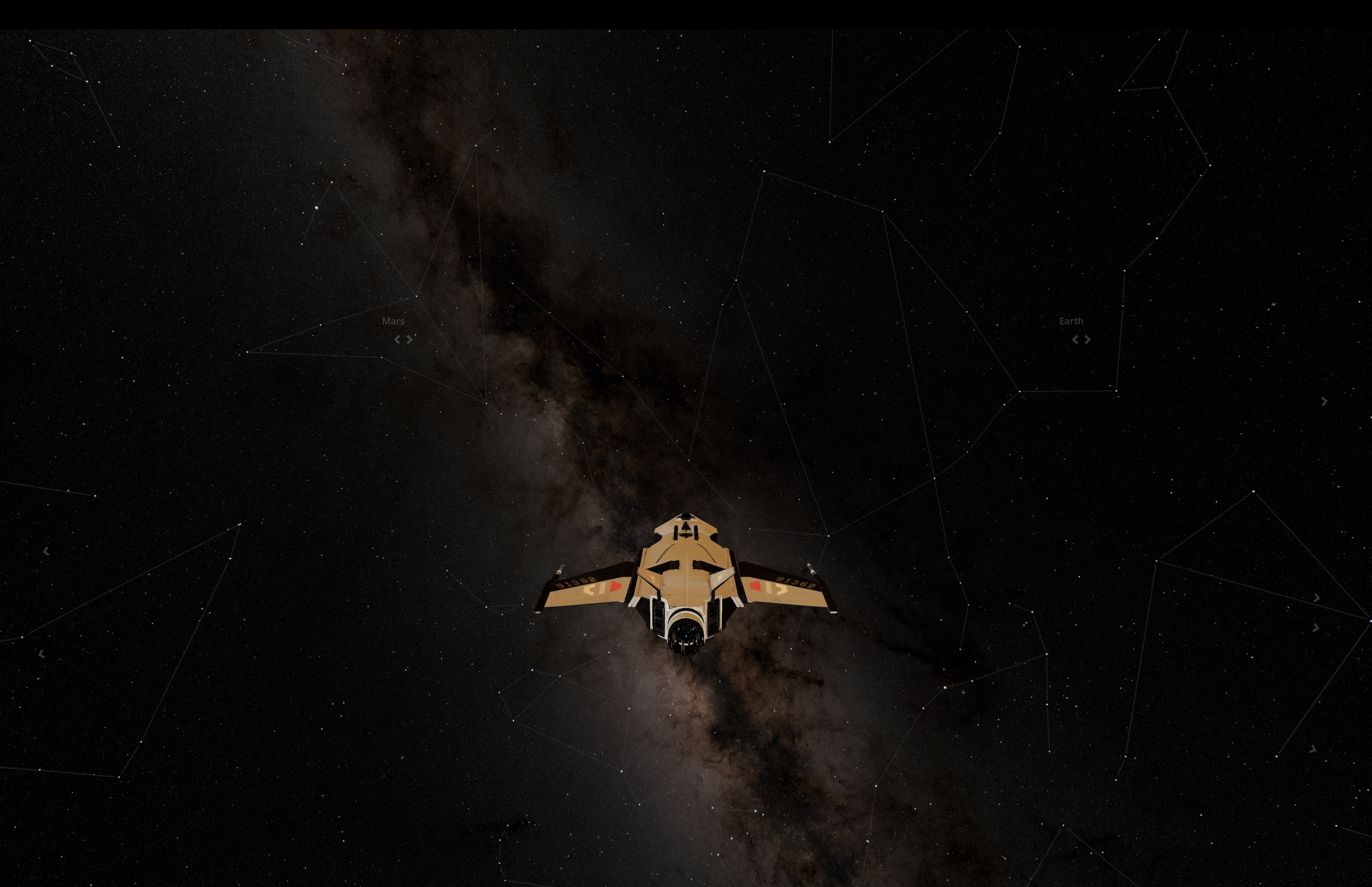
It's been a childhood dream of mine to explore our solar system. While there are plenty of excellent simulations already available, I wanted to learn how to make my own. I'm posting this here in case someone else would like to explore as well.
The majority of the images, data, and calculations in this project were found at https://www.nasa.gov/. While this simulation is far from a perfect representation of our solar system, a major goal of mine was to make it as accurate as possible. The following are the main ways in which this simulation is and is not accurate:
Accurate to a given approximation:
- planet radii (how large they are)
- planet distance (where they are in space)
- planet orbital period (how long do they take to orbit once around the sun, eg how long is one year on this planet)
- planet rotational period (how long do they take to rotate 360°, eg how long is one day on this planet)
- planet mass
- planet obliquity to orbit (how tilted are they relative to their own axis)
- planet orbital inclination (how tilted is their orbital path relative to Earth)
- planet visuals, with two main exceptions being Venus and Earth:
- Venus has an opaque atmosphere, which prevents us from seeing through to its surface. To enable the explorer to see the richness of the planet's surface detail, I chose not to include its atmosphere.
- Earth has many, highly nuanced interactions that occur between light and the atomosphere, land, water, and weather. I attempted to recreate some of these interactions, but most were excluded to help this simulation run smoothly on most devices.
Main inaccuracies and missing details:
- every object other than the 8 planets (including dwarf planets, moons, asteroid belts, satellites, and many others are missing. Tachyons may be retroactively included from the future).
- in this simulation, planets follow a perfectly circular orbit, instead of their slightly elliptical orbits (this simplification greatly reduced code complexity, while leaving the visuals relatively unchanged).
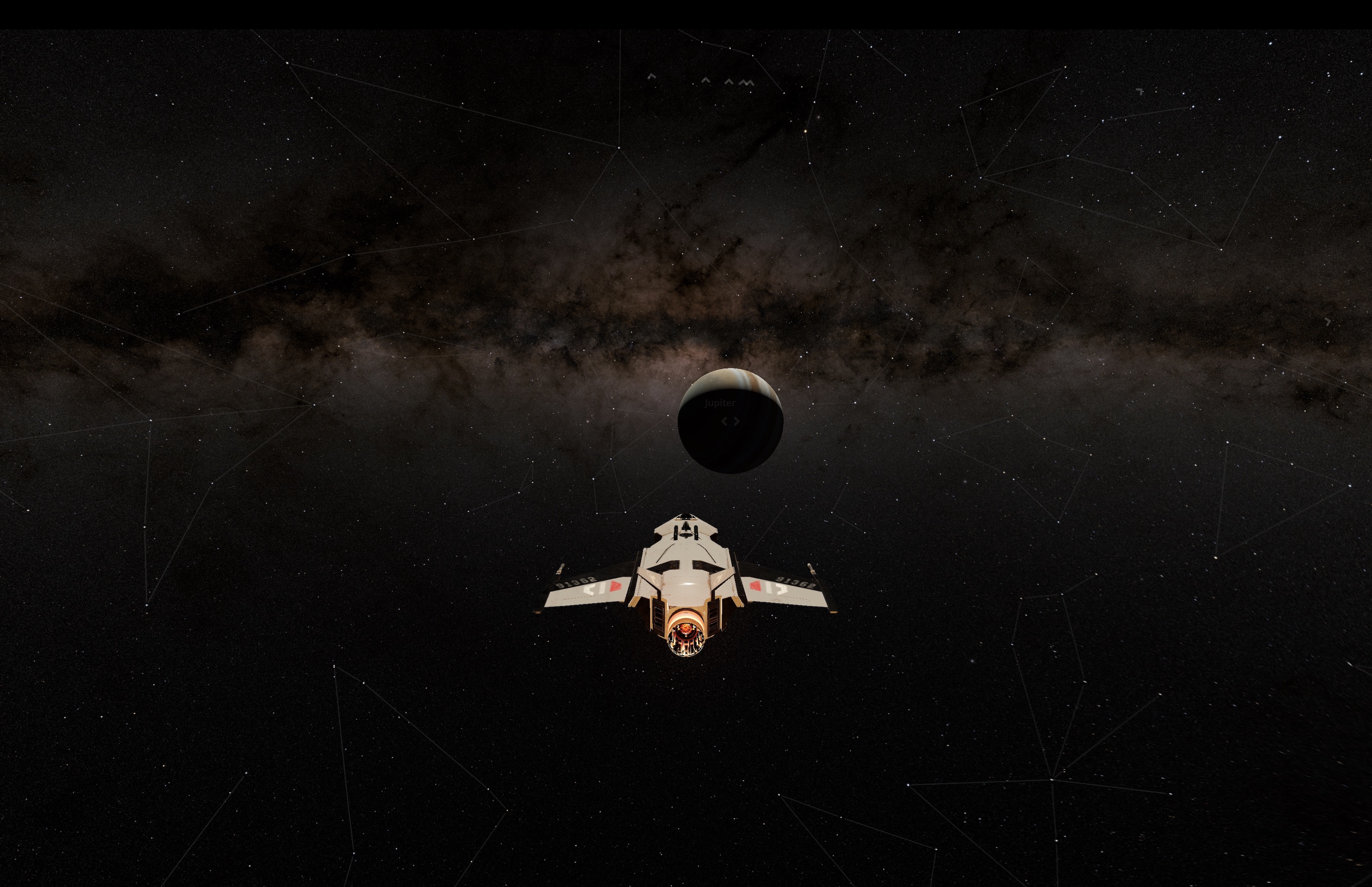
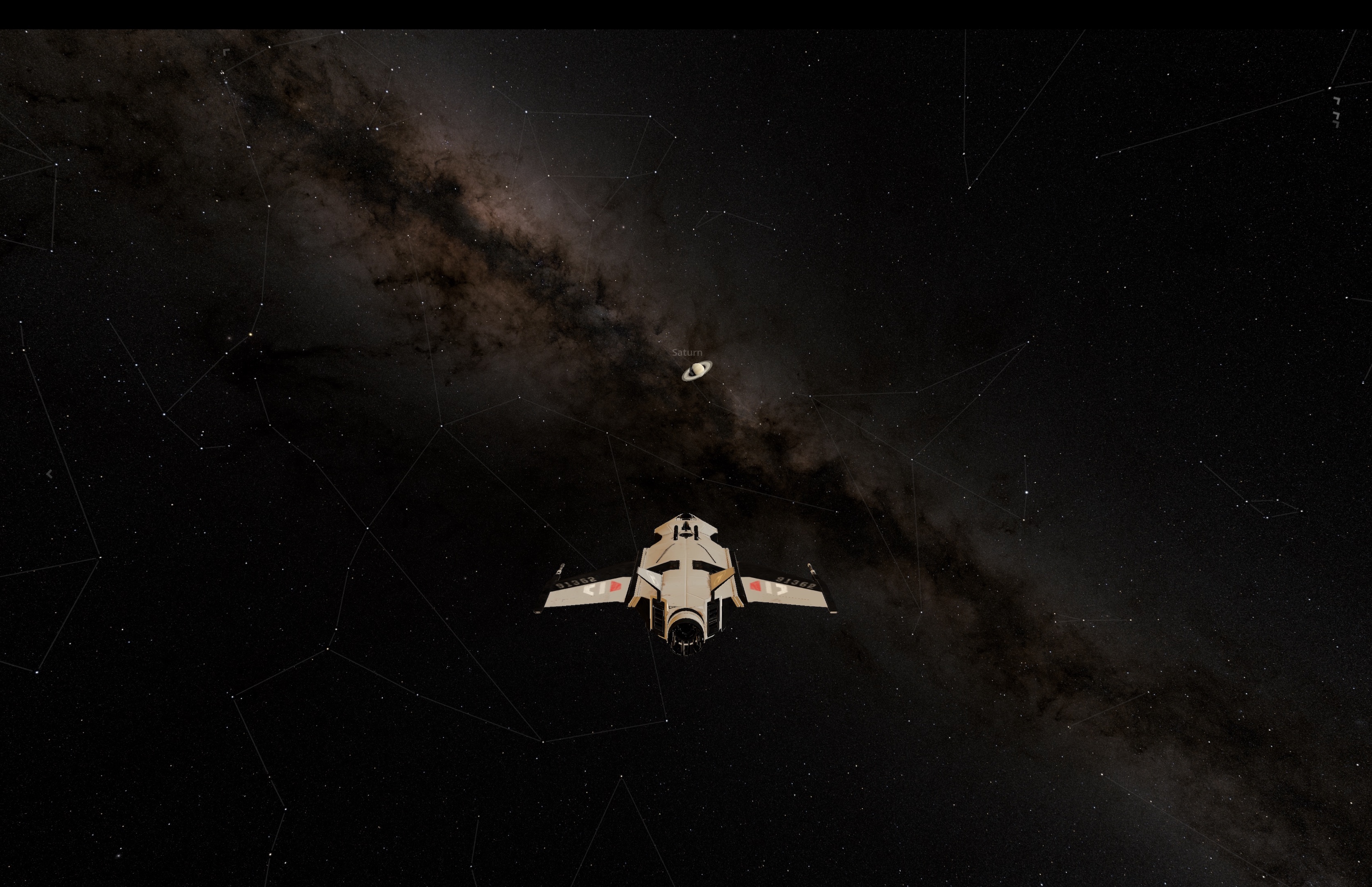
- the ship is roughly the size of a planet (a necessary tradeoff to make the math work).
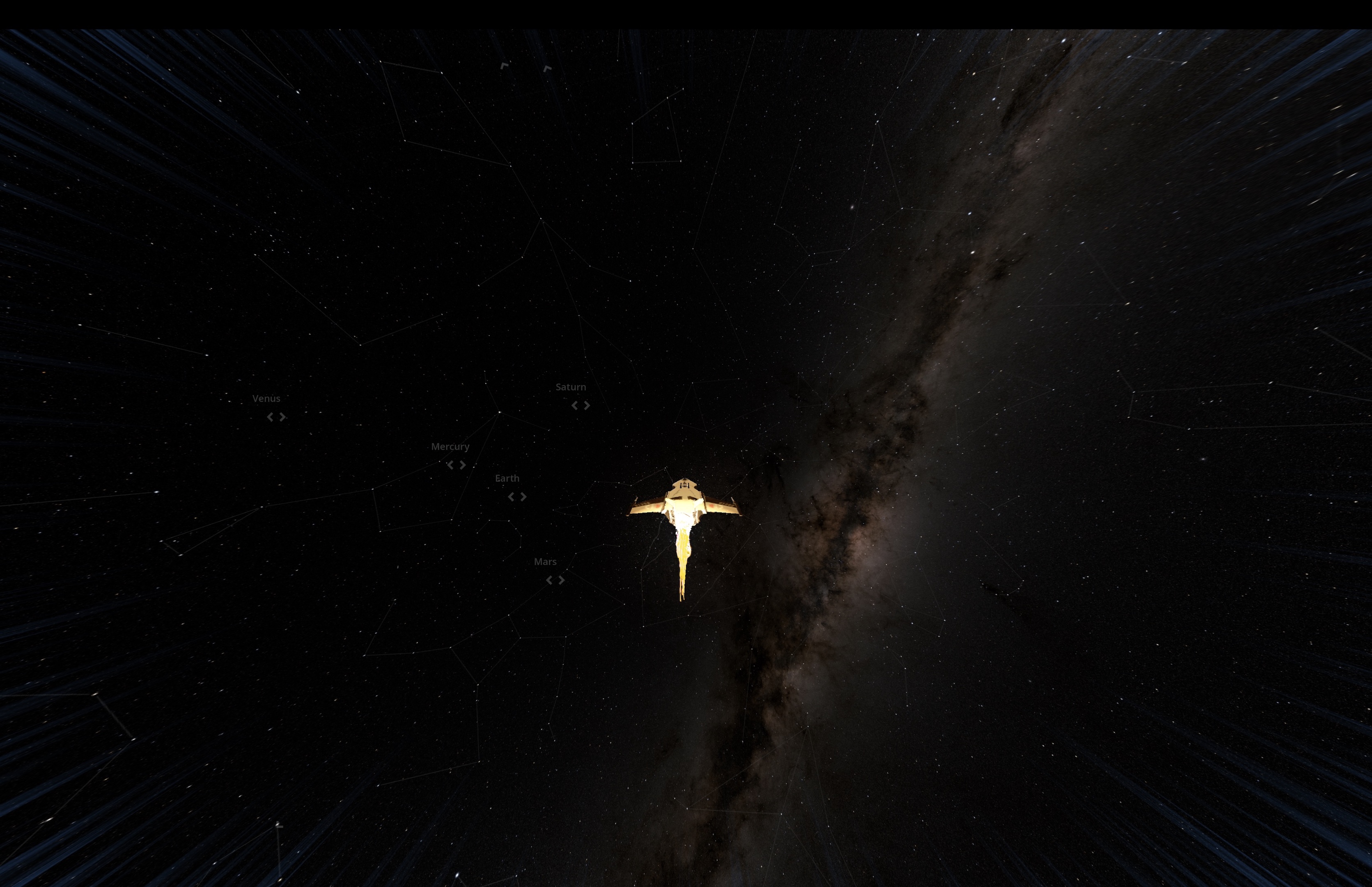
- the ship is also unrealistically fast. This prevents interplanetary travel from taking months, years, and in some cases decades.
- due to constraints with the version of Godot I built this with, you may notice planetary jittering the farther out you explore.
- one second in this simulation is roughly equivalent to one hour here on Earth.
Download
Install instructions
Since I have not paid for an Apple or Microsoft certificate, your computer may prevent this app from running. For Apple devices, you can allow this app to run by going to System Settings > Privacy and Security, and granting this app permission to run.
Leave a comment
Log in with itch.io to leave a comment.